

Ask what types of horse riding there are and you will get anything from two answers (English and Western) to fifty. Both are right. There are two families, defined by the saddle, and inside them a long list of disciplines, each with its own rulebook, governing body and clothes. This guide lays the whole map out: the two families and what actually separates them, the 18 disciplines US Equestrian recognises plus the ones that sit outside its rulebook, what each one is judged on, how physically demanding it is, and how a new rider picks one.
The two horseback riding styles: English and Western
Every one of the horseback riding styles in the US belongs to one of two families, and the difference is the saddle, which decides the seat, which decides everything else.
| English riding | Western riding | |
|---|---|---|
| Saddle | Light, flat, close to the horse, no horn; close-contact, dressage or all-purpose | Heavy, deep seat, high cantle, a horn at the front for roping |
| Seat | Forward or upright, shorter stirrups, the rider’s weight and leg in constant contact | Deep and relaxed, longer stirrups, the rider sits back |
| Reins | Two hands, direct contact with the bit through both reins | One hand (usually the left), neck reining, loose rein |
| Origin | European military and hunting riding, refined through the 18th and 19th centuries | The working cattle ranch, from Spanish vaquero riding |
| Gaits | Walk, trot (rising or sitting), canter, gallop | Walk, jog (a slow trot), lope (a slow canter) |
| Clothing | Breeches or jodhpurs, tall or paddock boots, fitted jacket, helmet | Jeans or show pants, Western boots, long-sleeved shirt, hat or helmet |
| Where it dominates | The Northeast, the show circuits, all Olympic disciplines | The West, Southwest and Midwest, ranch and rodeo sport |
A rider who learns one can learn the other; the balance is the same, the aids are different. Most US lesson programs teach one or the other, which usually decides a beginner’s family for them.
How the disciplines are organised
US Equestrian, the national governing body, “recognizes 11 breeds and 18 disciplines, including the Olympic and Paralympic equestrian disciplines” (US Equestrian, Breeds and Disciplines). It splits them into seven international disciplines, which are governed worldwide by the FEI, and eleven national ones, which exist mainly or only in the United States.
The FEI, founded in Paris in 1921, “recognizes six disciplines under global governance in both regular and para-equestrian competition: dressage and para-dressage, driving and para-driving, endurance, eventing, jumping, and vaulting” (FEI). Reining was an FEI discipline from 2000 to 2021 and is now national only.
Three of them are Olympic: dressage, eventing and jumping. Para-dressage is Paralympic.
The English types of horse riding
Hunters
A horse is judged over a course of eight to twelve natural-looking fences on its jumping style, movement, pace and manners, the qualities of a good horse in the fox hunting field. Subjective scoring. The largest show discipline in the US, governed nationally by US Equestrian and the US Hunter Jumper Association (about 43,000 members). Fence heights from 18 inches to 4 feet. Our guide to what hunter jumper riding is goes through the fault lists from the rulebook.
Jumpers (show jumping)
The Olympic version of jumping: a course of twelve to sixteen coloured fences, scored on rails down (4 faults each), refusals and time. No opinion involved. Heights from 0.70 m at the bottom to 1.60 m at the Olympics. Governed internationally by the FEI, nationally by USEF and USHJA.
Hunter seat equitation
The rider is judged, on position, effectiveness and control, over hunter or jumper courses, with tests such as riding without stirrups. The discipline every American English rider starts showing in, and the one the three big fall finals (USEF Medal, WIHS, Maclay) belong to. The rulebook’s description of the correct position is quoted in the hunter jumper guide; the turnout it expects is in hunter jumper attire.
Dressage
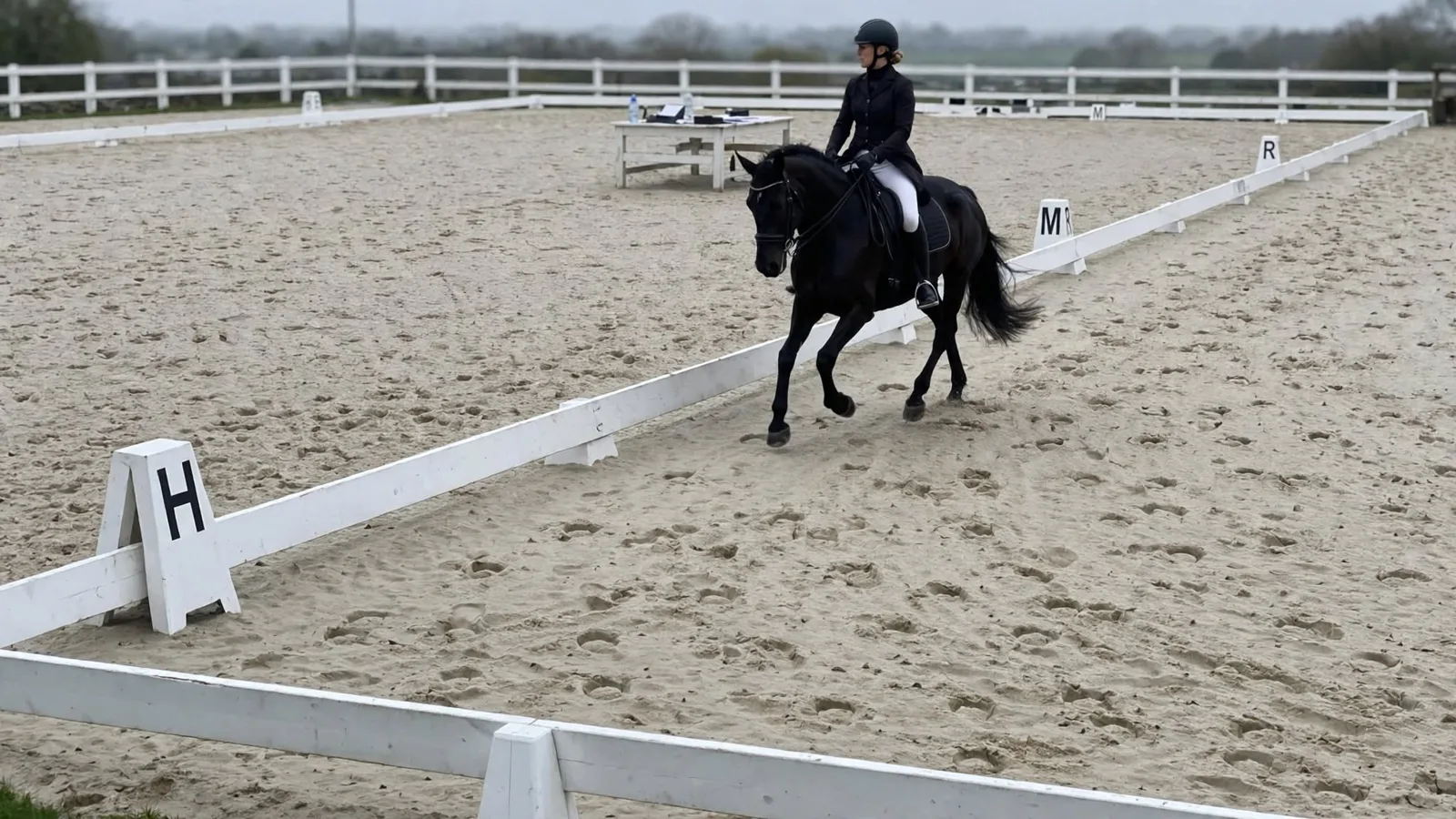
Horse and rider perform a set test of movements in a 20 by 60 metre arena, each scored out of 10 by a judge, from Introductory level (walk and trot) up to Grand Prix (piaffe, passage, tempi changes). The most formal turnout in the sport: white breeches, a dark coat or tailcoat, dress boots, white gloves. Olympic. Governed by the FEI, USEF and the US Dressage Federation.
Eventing
Three phases on one horse over one to three days: a dressage test, a cross-country course of solid fences ridden at speed, and a show jumping round. Scored on penalties, lowest total wins. The cross-country phase is the reason a body protector is required by rule. Olympic. Governed by the FEI, USEF and the US Eventing Association. Levels from Starter (fences 2 feet 3) to the 5-star level (3 feet 11 and 4 miles of cross-country).
Saddle seat
An American style developed for the high-stepping breeds, chiefly the American Saddlebred, Morgan and Arabian: a flat, cut-back saddle, a long stirrup, the rider sitting well back to show off the horse’s animated front end and high head carriage. Shown in a long-jacketed suit and a derby or soft hat, with the option of a helmet. National discipline under USEF.
Fox hunting
The origin of the hunter ring and still ridden: a mounted field follows a pack of hounds across country behind a huntsman, in the US often on a laid drag line, and in live hunts the quarry is rarely caught. Not competitive, but governed by the Masters of Foxhounds Association, with formal dress rules (scarlet or black coat, white stock, tall boots) that the hunter ring inherited.
Polo
Two teams of four on horseback hitting a ball with long mallets on a 300-yard field, in four to eight chukkas of seven minutes each. Riders change horses between chukkas. The only mounted team sport played widely in the US, governed by the US Polo Association.
Endurance
Timed rides of 25 to 100 miles over natural terrain, with mandatory veterinary checks at which the horse must be judged fit to continue. First across the line among fit horses wins, and a separate best-condition award is judged. FEI and USEF discipline; the American Endurance Ride Conference runs the national sport. Arabians dominate.
Vaulting
Gymnastics on the back of a cantering horse, which is lunged in a circle by a handler. Individual, pairs and team events with compulsory and freestyle routines, scored like gymnastics. FEI and USEF discipline, and the one where the “horse” for beginners is a barrel.
Hunter paces and trail riding
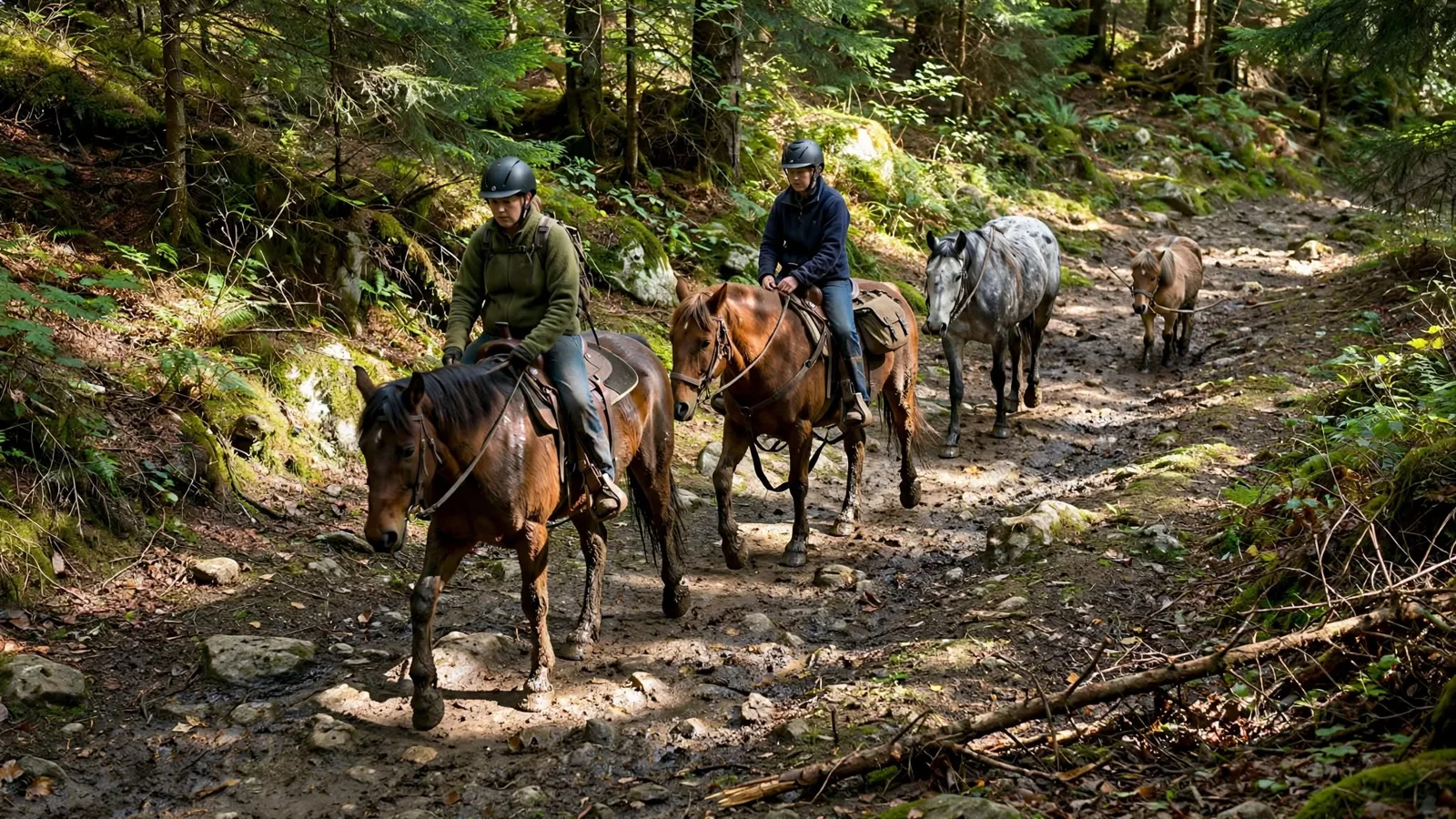
Hunter paces are informal timed rides over a marked cross-country course in pairs or teams, the recreational cousin of eventing. Trail riding, hacking and pleasure riding are what most of the horses in the country do most of the time, and belong to both families equally.
The Western types of horse riding
Western pleasure
The horse is judged at walk, jog and lope on the rail on how pleasant it is to ride: slow, smooth, quiet, on a loose rein. The Western equivalent of a hunter under saddle class. Governed by USEF nationally and by the breed associations, above all the American Quarter Horse Association, the world’s largest breed registry.
Western horsemanship
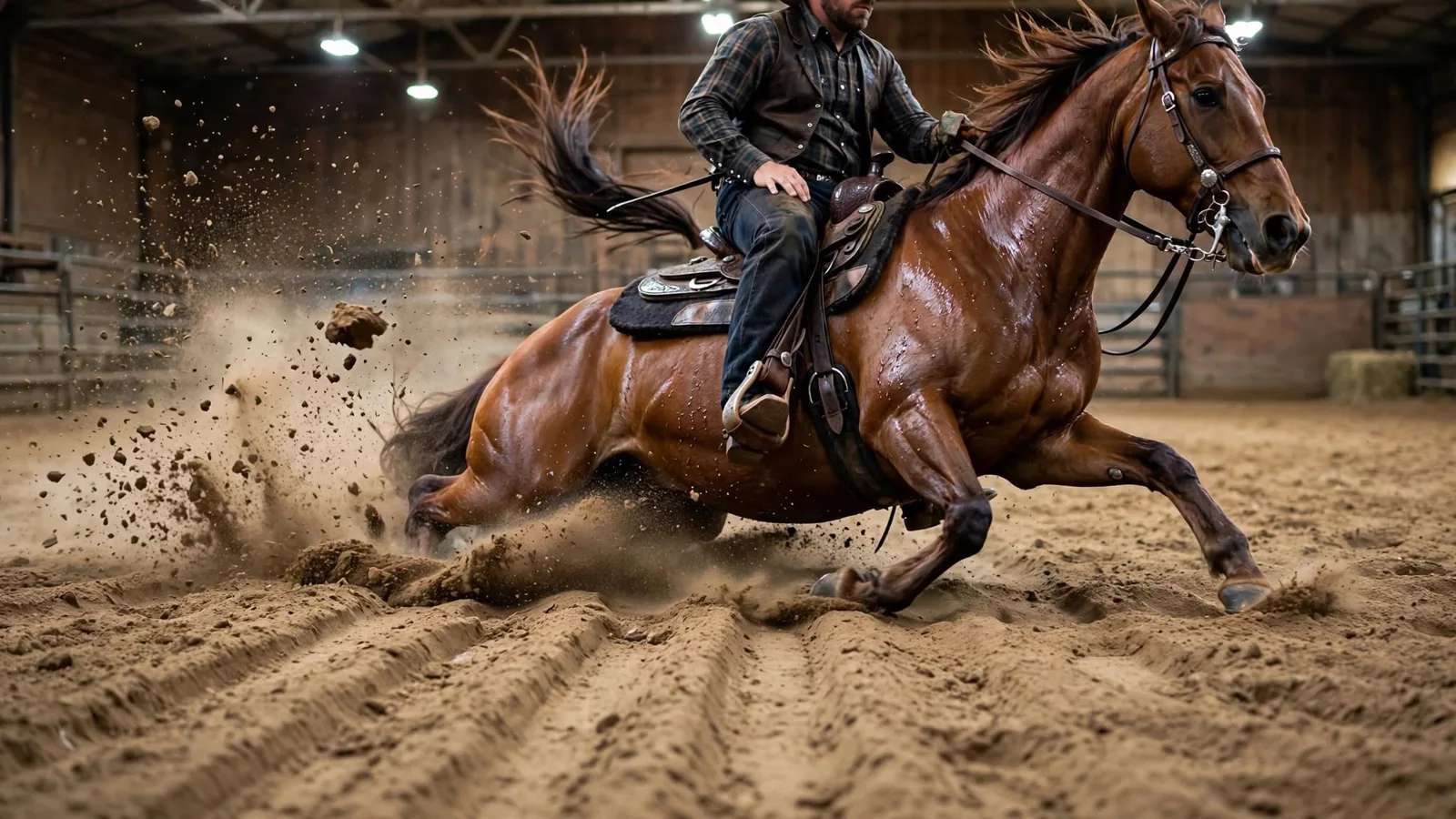
The Western equivalent of equitation: the rider is judged on seat, hands and the precision of a pattern. This is the rider’s discipline, and the NCEA uses it as one of its four college events.
Reining
A pattern of spins, sliding stops, rollbacks, circles at different speeds and lead changes, each manoeuvre scored from minus 1.5 to plus 1.5 against a base of 70. Often called Western dressage in spirit, though Western dressage is now its own discipline. The most technical Western sport and the one that reached the FEI (2000 to 2021). National Reining Horse Association.
Cutting
Horse and rider separate a single cow from a herd and keep it from returning, with the rider dropping the rein and letting the horse work. Judged on the horse’s cow sense and control over a two and a half minute run. National Cutting Horse Association.
Ranch riding and working cow horse
Ranch riding shows a horse at working gaits over a pattern that imitates a day’s ranch work. Working cow horse (reined cow horse) combines a reining pattern with fence work on a live cow. Both are among the fastest-growing Western classes.
Barrel racing, pole bending and rodeo events
Timed events against the clock: barrel racing is a cloverleaf around three barrels, pole bending a slalom through six poles. Ridden in rodeo and in speed-event shows alongside roping (tie-down, breakaway and team) and, at the professional level, the roughstock events. Governed by the rodeo associations (PRCA, WPRA) rather than USEF.
Western dressage
Dressage tests ridden in Western tack at Western gaits, scored the same way as dressage. A USEF national discipline since 2013, growing quickly among adult amateurs.
The styles that sit outside both families
Racing (flat and steeplechase) is a professional industry with its own regulators, not a USEF discipline; the jockey’s crouched seat is its own thing entirely.
Driving (carriage pleasure driving and combined driving) is a USEF discipline in both families’ rulebooks but nobody sits on the horse.
Para-equestrian is dressage, driving and increasingly other disciplines adapted for riders with physical disabilities, with graded classification. Paralympic since 1996.
Therapeutic riding is riding as therapy, taught by PATH International-certified instructors, and is often a child’s first experience of a horse.
Gaited riding (Tennessee Walkers, Paso Finos, Icelandics, Missouri Fox Trotters) is a family of styles built around breeds with extra gaits, shown in their own breed rings in both English and Western tack.
How physically demanding each type is
The Compendium of Physical Activities, the reference used in exercise science, rates riding by pace rather than by discipline, and the numbers explain why an hour of jumping feels different from an hour of trail:
| Pace | METs (multiples of resting energy) |
|---|---|
| Walking | 3.8 |
| Trotting | 5.8 |
| Canter or gallop | 7.3 |
| Jumping | 9.0 |
| Grooming and saddling | 4.5 |
(Compendium of Physical Activities, sports section). A Western pleasure or trail ride lives mostly in the first row; a jumping or eventing lesson in the last two. Whether any of that makes riding a sport is answered, with the Olympic, NCAA and injury evidence, in is horse riding a sport, and what riding asks of the body by discipline, and how to train for it, is in exercises for equestrians.
How to choose between the riding styles
Start with what is taught within 30 minutes of home. Most riders end up in whichever family the nearest good barn teaches, and that is a sensible way to start. A rider can switch families later; a rider who never starts because the “right” discipline is two hours away cannot.
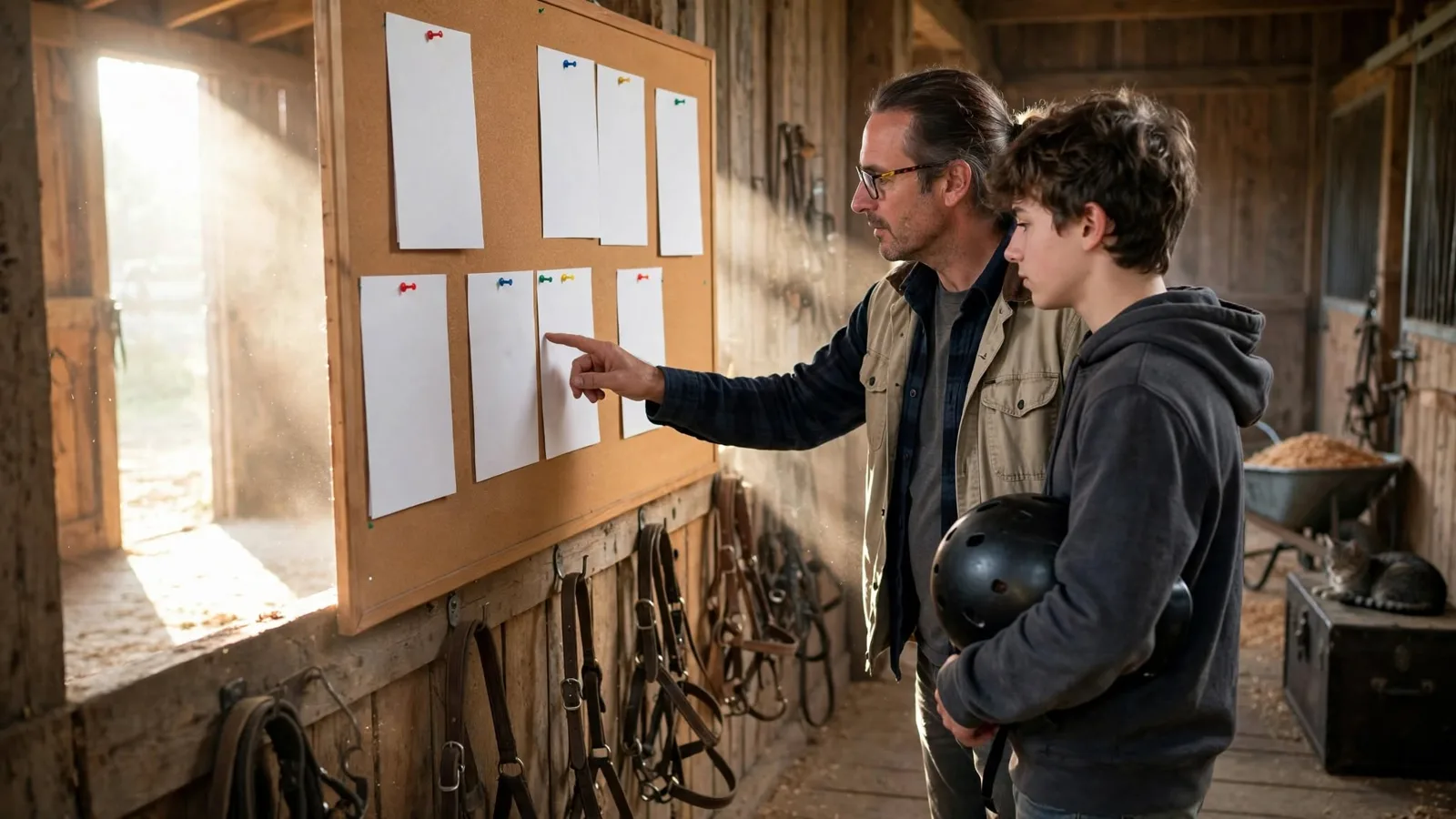
Then ask what you want from it.
| If you want | Look at |
|---|---|
| To jump | Hunters, jumpers, equitation, eventing |
| Precision without jumping | Dressage, Western dressage, reining, horsemanship |
| Speed | Barrel racing, jumpers, endurance |
| Cattle | Cutting, working cow horse, ranch riding |
| Distance and the outdoors | Endurance, trail, hunter paces, fox hunting |
| A team | Polo, vaulting, college equestrian (NCEA or IHSA) |
| The lowest cost of entry | Trail and pleasure riding, Western pleasure, schooling-level equitation |
| The Olympic path | Dressage, eventing, jumping |
Cost varies more by level than by discipline, but the shape differs. Hunters and jumpers carry the biggest show bills; dressage the most expensive coat and the fewest shows; eventing three phases of entries but modest turnout; Western disciplines cheaper tack for the rider and more expensive tack for the horse. What a first show costs is in the parent’s guide to a first horse show.
Clothing follows the family. English disciplines share breeches, tall or paddock boots and a fitted jacket, with the formality rising from schooling to dressage; the equestrian outfit guide covers what changes between them. Western disciplines share jeans, boots and a long-sleeved shirt, and a helmet is legal in every USEF Western class.
Switching between riding styles
Riders move between disciplines constantly and the sport is built for it. A hunter rider’s balanced seat converts to dressage with a longer stirrup and a deeper seat. An eventer is by definition a dressage rider, a cross-country rider and a show jumper. A Western horsemanship rider’s independent seat is exactly what an equitation judge wants. The one transition that takes real relearning is the rein hand: two hands on contact to one hand on a loose rein, or back, is a month of feeling wrong.
What does not transfer is the wardrobe, which is the practical reason to buy discipline-specific clothing pre-owned until you are sure. A dressage coat, a hunt coat and a Western show shirt are three different garments for three different rings, and each spends most of its life on a hanger.
How we researched this
The number and names of recognised breeds and disciplines are quoted from US Equestrian’s Breeds and Disciplines page. FEI disciplines, founding date and reining’s FEI years are from the FEI’s published history. USHJA membership is from USHJA’s About page. Discipline descriptions, fence heights and scoring summarise the 2026 USEF Rulebook chapters (HU, JP, EQ, EV) and the published rules of the national associations named; where a description is convention rather than rule, it is written as such. MET values are from the Compendium of Physical Activities.
Disclaimer: This article is general information. Rules, levels and governing arrangements change; confirm current requirements with the relevant federation or association before competing.


