

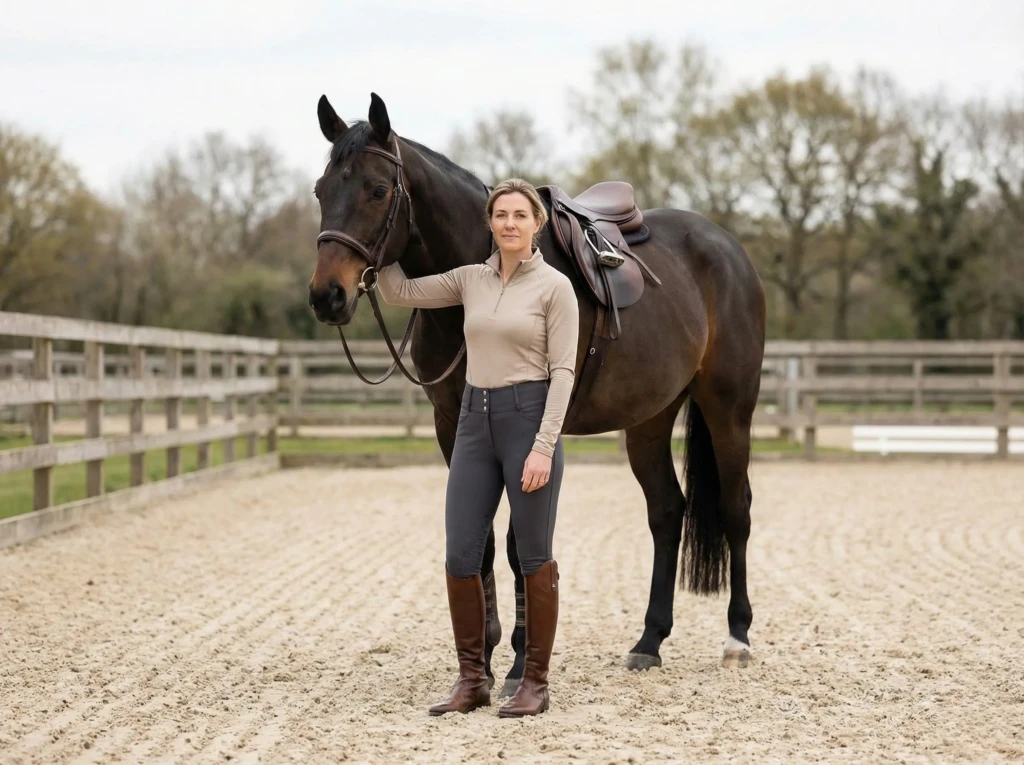

The intersection of equestrian utility and mainstream aesthetic has reached a definitive peak in 2026. What was once considered a niche subculture has evolved into a global fashion movement characterized by intentionality, heritage, and high-performance craftsmanship. As we navigate the current season, the trends are no longer dictated by the whims of fast fashion. Instead, riders and lifestyle enthusiasts alike are searching for pieces that respect the rigors of the stable while offering the refined silhouette of premium leisurewear.
This shift represents a Horse Girl Renaissance, a cultural moment where the values of the equestrian world, including responsibility, longevity, and a connection to nature, are being adopted by the broader fashion landscape. For the rider, this means gear that performs under pressure. For the enthusiast, it means an aesthetic rooted in authenticity.
Functional Elegance: The Rise of Stable-to-Street Versatility
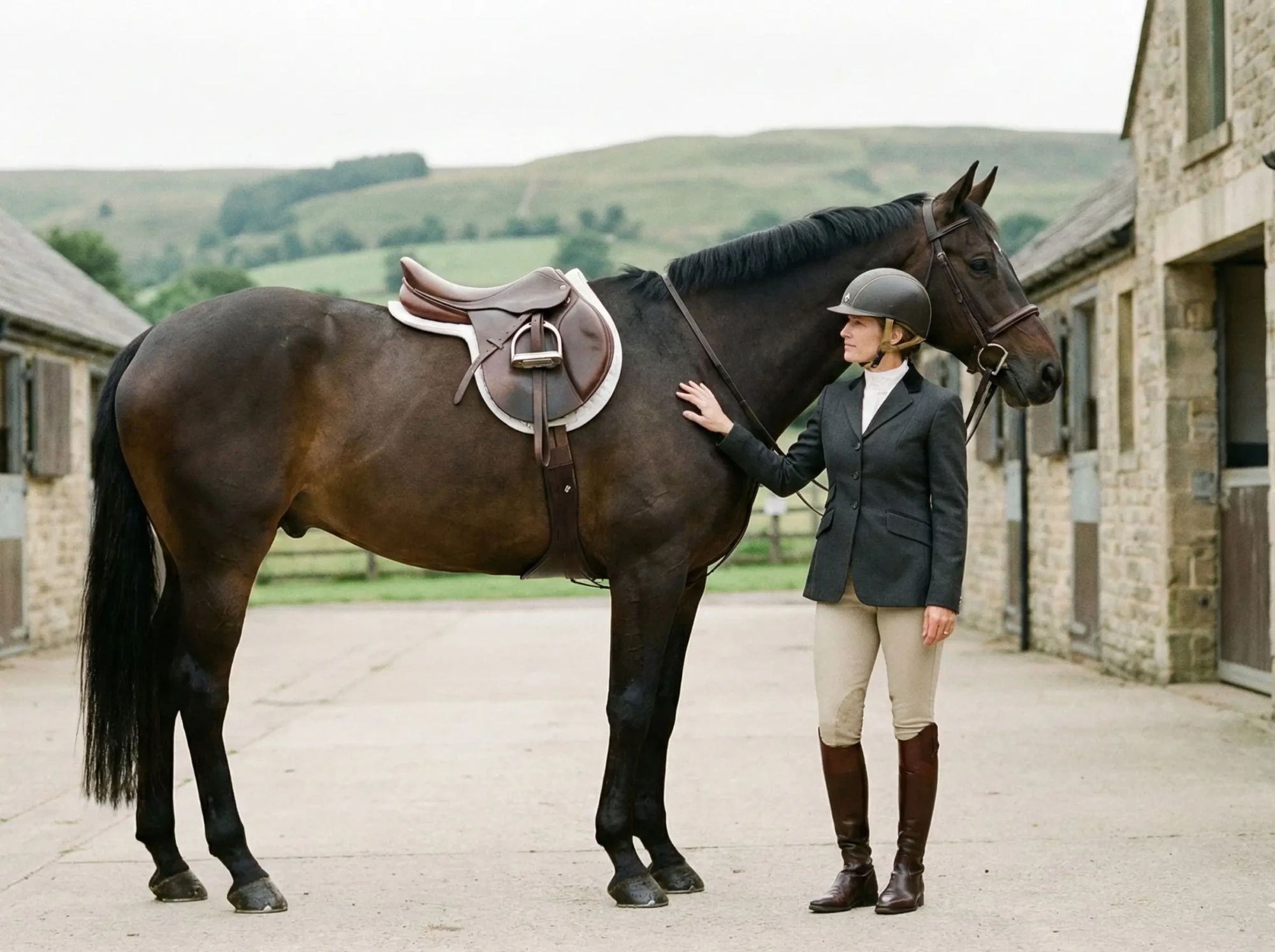
In 2026, the barrier between the barn and the broader world has all but vanished. The most significant trend in equestrian apparel is Functional Elegance: the design philosophy that riding gear should be indistinguishable from high-end urban wear when removed from the context of the saddle.
Search data indicates a surge in queries for technical blazers and urban-compliant breeches. Riders are moving away from overly branded, brightly colored sets in favor of subtle, tailored pieces that transition seamlessly from a morning training session to a professional meeting or a social engagement.
The Tailored Outerwear Revival
The traditional tweed hacking jacket has been reimagined for 2026. Modern iterations feature heritage patterns such as herringbone and windowpane check, but they are constructed with hidden technical linings that are windproof and water-repellent. The barn-to-street coat is now expected to have a double-vented back, which is a nod to riding comfort, combined with a silhouette sharp enough for professional environments.
The 2026 Palette: Understanding Color Duality
A critical aspect of 2026 fashion is the concept of color duality. While the seasonal retail market often pushes high-saturation colors to signal the arrival of spring, the authority trend for the year remains firmly rooted in earth-centric neutrals.
Seasonal Accents versus Investment Foundations
There is a distinction between the Digital Brights currently seen in retail windows and the Refined Foundation that dominates the premium investment market. While vibrant colors like Electric Fuchsia or Jelly Mint are popular for seasonal accessories, the most sought-after pieces for long-term ownership are grounded in mineral-based pigments.
| Trend Category | Core Investment Palette | Seasonal Accent Palette |
| Primary Hues | Charcoal, Navy, Olive Drab | Electric Blue, Magenta |
| Neutral Bases | Cloud Dancer (Milky White), Taupe | Lemon Ice, Pale Peach |
| 2026 Key Shade | Transformative Teal | Neon Lime |
| Hardware | Burnished Copper, Matte Silver | High-Gloss Gold |
The sophisticated rider is using seasonal brights as accents, perhaps in a silk tie or a ventilated saddle pad, rather than the core of their silhouette. The enduring trend, and the one most likely to retain its value in the resale market, remains the quiet luxury of sand-washed silks and deep technical wovens.
Technical Innovations: Fabric and Performance
Riders are increasingly educated on the science of their apparel. The search for performance fabrics has moved beyond simple moisture-wicking to include bio-based synthetics and temperature-regulating smart textiles.
The Evolution of Grip Technology
One of the most discussed technical shifts this year is the refinement of silicone grip technology. While full-seat suede was once the standard, 2026 riders are searching for ergonomic silicone mapping. This technology uses laser-placed silicone patterns that provide stability in the saddle without the bulk or heat-retention of traditional materials. These patterns are now designed to be more durable, resisting the peeling issues that affected earlier versions.
Smart Textiles and Climate Control
As climate volatility becomes a more prominent consideration for outdoor athletes, search interest in adaptive layering systems has increased. 2026 trends favor:
- UV-Protective Base Layers: These now feature silver-ion antimicrobial treatments to reduce odor and extend the time between washes.
- Phase-Change Materials (PCM): These are fabrics that absorb, store, and release heat to keep the rider’s body temperature consistent during transitions from intense work to rest.
- Four-Way Stretch Wovens: Unlike the knits of previous years, the new wovens provide a structured, professional look while allowing for the extreme range of motion required in disciplines like jumping or eventing.
The 2026 Silhouette: Minimalist and Supportive
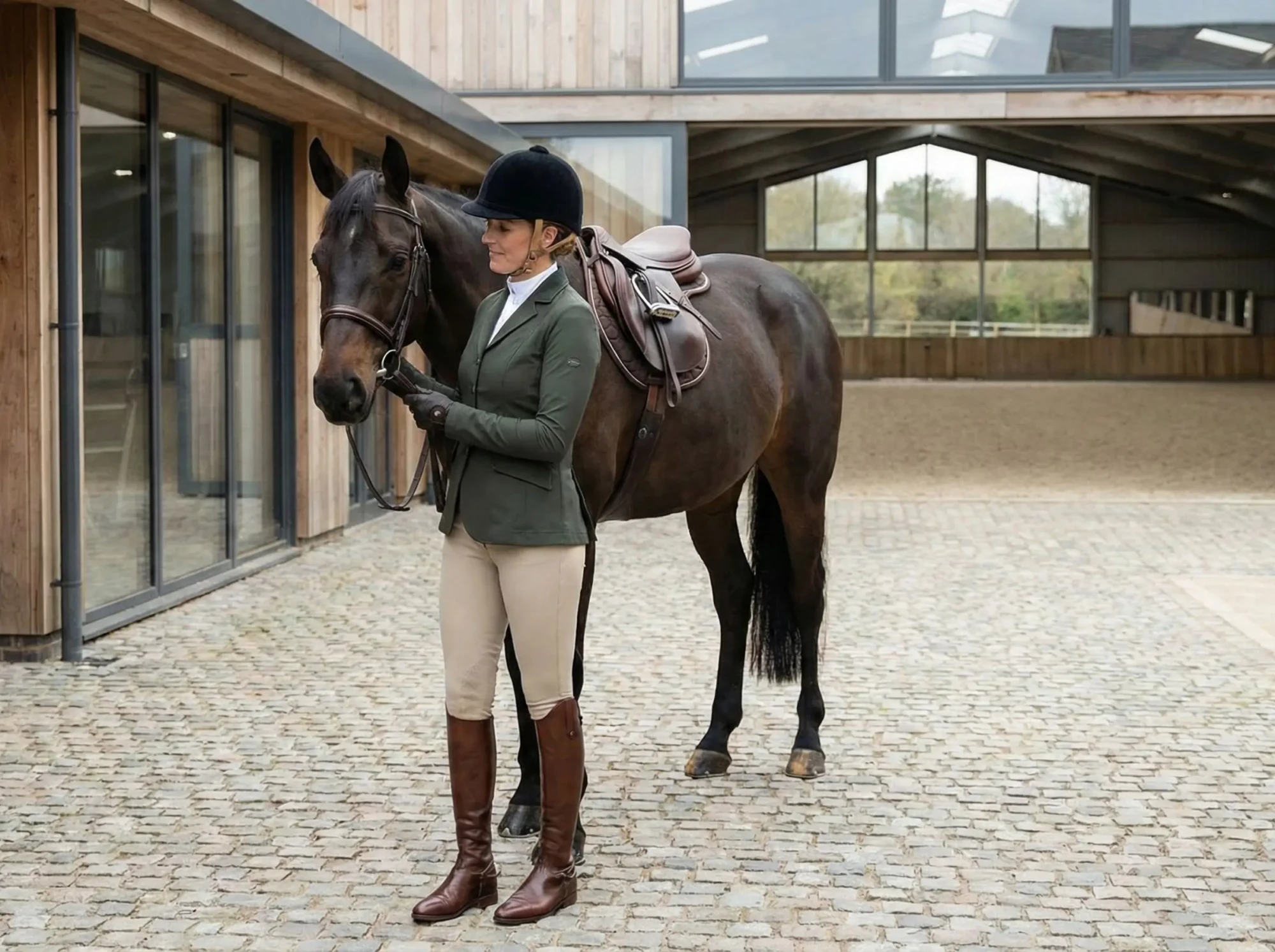
The aesthetic for 2026 is one of quiet confidence. The look is defined by the quality of the material and the precision of the fit rather than large logos or decorative embellishments.
The High-Rise Evolution
Breeches have evolved to feature wide, supportive waistbands designed for core stability. This silhouette provides a flattering profile while meeting the athletic demands of the sport. Search terms like compression-fit and seamless inner thigh reflect a desire for gear that minimizes friction and maximizes rider comfort.
Footwear: The Hybrid Paddock Boot
A significant trend in 2026 footwear is the hybrid paddock boot. These boots offer the athletic-shoe ergonomics required for all-day comfort on the ground while maintaining a traditional leather exterior suitable for riding. This reflects the broader trend of barn-to-street versatility: equipment that works as hard as the person wearing it.
Sustainability and Resale Culture: The Circular Wardrobe
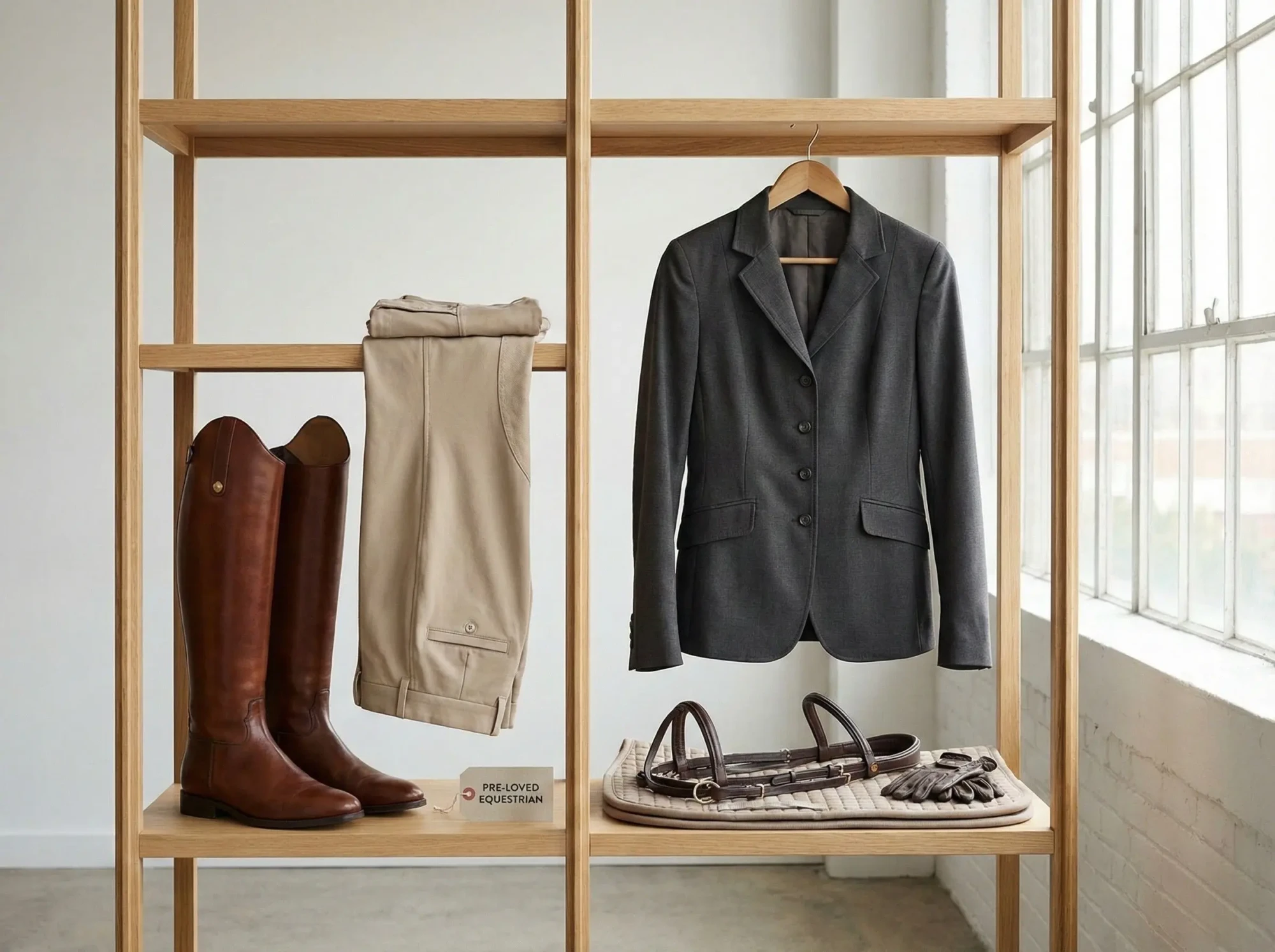
Sustainability is no longer a secondary consideration: it is a primary driver of purchasing behavior. Modern riders are moving away from the buy-use-discard cycle. Instead, they are looking for durability as a form of sustainability.
The Rise of the Conscious Consumer
High-quality leather goods and well-made technical apparel are being viewed as investments. This has led to a booming interest in peer-to-peer resale marketplaces like Reequestrian®. By purchasing a pre-owned, high-end saddle or a designer show coat, riders are participating in a circular economy that reduces waste and preserves the heritage of the sport.
Transparent Sourcing
Searches for ethical leather and Oeko-Tex certified riding clothes are at an all-time high. Consumers want to know that their apparel was produced in factories that respect both human labor and environmental standards. This transparency is becoming a non-negotiable factor in brand loyalty.
What Riders Are Actually Searching For: 2026 Search Insights
To understand the current market, one must look at the specific language used by riders in their digital searches. Current high-growth keywords include:
- Capsule Riding Wardrobe: This describes a movement toward owning fewer, higher-quality pieces that can be mixed and matched across seasons.
- Airlight Safety Vests: As safety technology becomes more aesthetic, riders are searching for protective gear that integrates into their silhouette rather than looking like an afterthought.
- Weather-Adaptive Breeches: This is a common search for those in fluctuating climates seeking one pair of breeches that can handle both cold mornings and warm afternoons.
- Heritage-Tech Footwear: These are tall boots that look like traditional box-calf but feature internal carbon-fiber stabilizers and orthopedic footbeds.
Buying Better, Not More: The Case for Stewardship
The 2026 trend cycle is ultimately a return to stewardship. This applies not only to the care of the horse but to the care of one’s equipment. The resale culture encouraged by platforms like Reequestrian® teaches riders to value the craftsmanship of their gear. When a rider purchases a piece of high-quality equipment, they are not just buying a trend: they are becoming the next custodian of a well-made tool.
A Boundary on Resale: The Helmet Rule
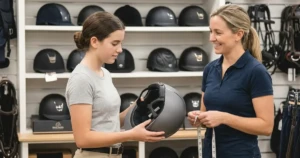
While the resale of apparel, saddles, and tack is a cornerstone of the 2026 sustainability movement, there remains one critical boundary. Helmets must always be purchased new.
The equestrian community has reached a consensus in 2026: a helmet is a piece of safety equipment, not a fashion accessory. Despite the trend toward vintage or pre-owned aesthetics, a helmet’s integrity cannot be verified once it has left the manufacturer’s box. Ethical riders prioritize their safety and the integrity of the sport by ensuring their head protection is certified, fitted, and brand new.
Style as an Extension of Values
The equestrian fashion trends of 2026 reflect a community that is growing more thoughtful and more responsible. We are seeing a move away from the impulse buy and toward the intentional investment. Whether it is the adoption of bio-based technical fabrics or the participation in a circular resale market, the modern rider is making choices that reflect their respect for the horse and the environment.
Style, in this context, is not about vanity. It is an extension of the discipline of horsemanship: a commitment to quality, a respect for tradition, and a focus on performance that transcends the arena.