


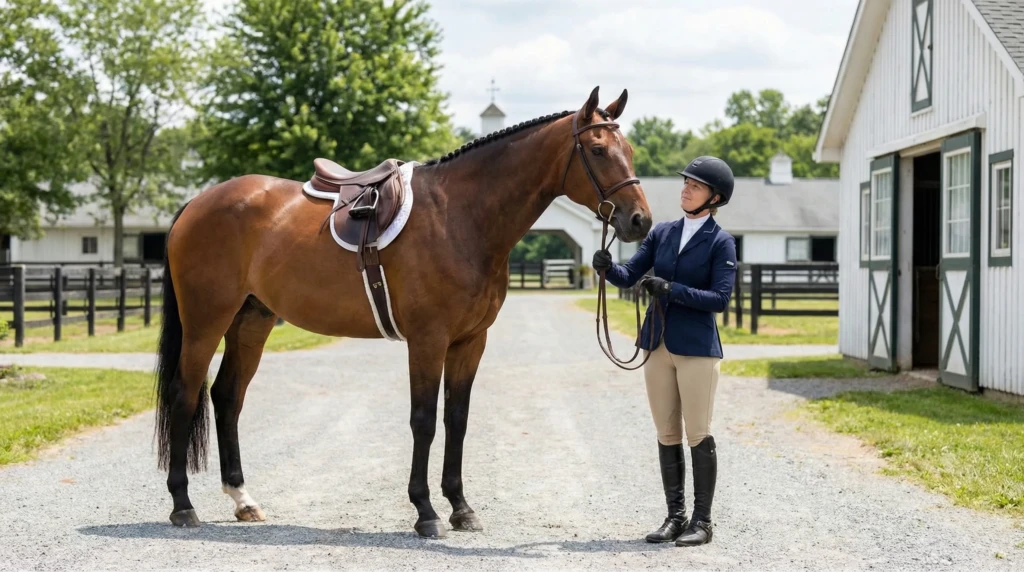

How to Choose Breed, Age & Cost Considerations
The acquisition of a first horse is a seminal moment in an equestrian’s life. It represents the transition from a casual participant to a steward of a living, sentient being. However, the romanticized vision of horse ownership often obscures the logistical, financial, and ethical complexities involved.
Choosing a horse requires a disciplined approach, balancing emotional aspirations with the practical realities of one’s current riding ability and long-term goals. This guide serves as a comprehensive resource for the prospective owner, designed to navigate the American equine market with clarity, responsibility, and a focus on the welfare of both horse and rider.
Is Owning a Horse Right for You? Assessing Readiness
Before browsing listings, an honest self-assessment is mandatory. Horse ownership is a lifestyle commitment that transcends the hours spent in the saddle.
The Time Commitment
A horse requires daily oversight, even if boarded at a full-service facility. Beyond riding, ownership involves grooming, tack maintenance, and managing veterinary and farrier appointments. For those keeping a horse at home, the commitment expands to include stall cleaning, pasture management, and feeding schedules. One should anticipate dedicating at least 10 to 15 hours per week to basic care and exercise.
The Financial Foundation
The purchase price of a horse is merely the “entry fee.” The ongoing costs of quality hay, grain, bedding, hoof care, and preventative veterinary medicine are non-negotiable. In the United States, board rates vary significantly by region—ranging from $400 a month for pasture board in rural areas to over $2,500 a month for full-service training barns near major metropolitan hubs.
The Emotional Resilience
Horses are flight animals; they are unpredictable and require a calm, assertive leader. Ownership involves navigating setbacks, from minor lameness to training plateaus. One must be prepared for the emotional weight of making difficult decisions regarding a horse’s health and end-of-life care.
Choosing the Right Horse for Your Experience Level
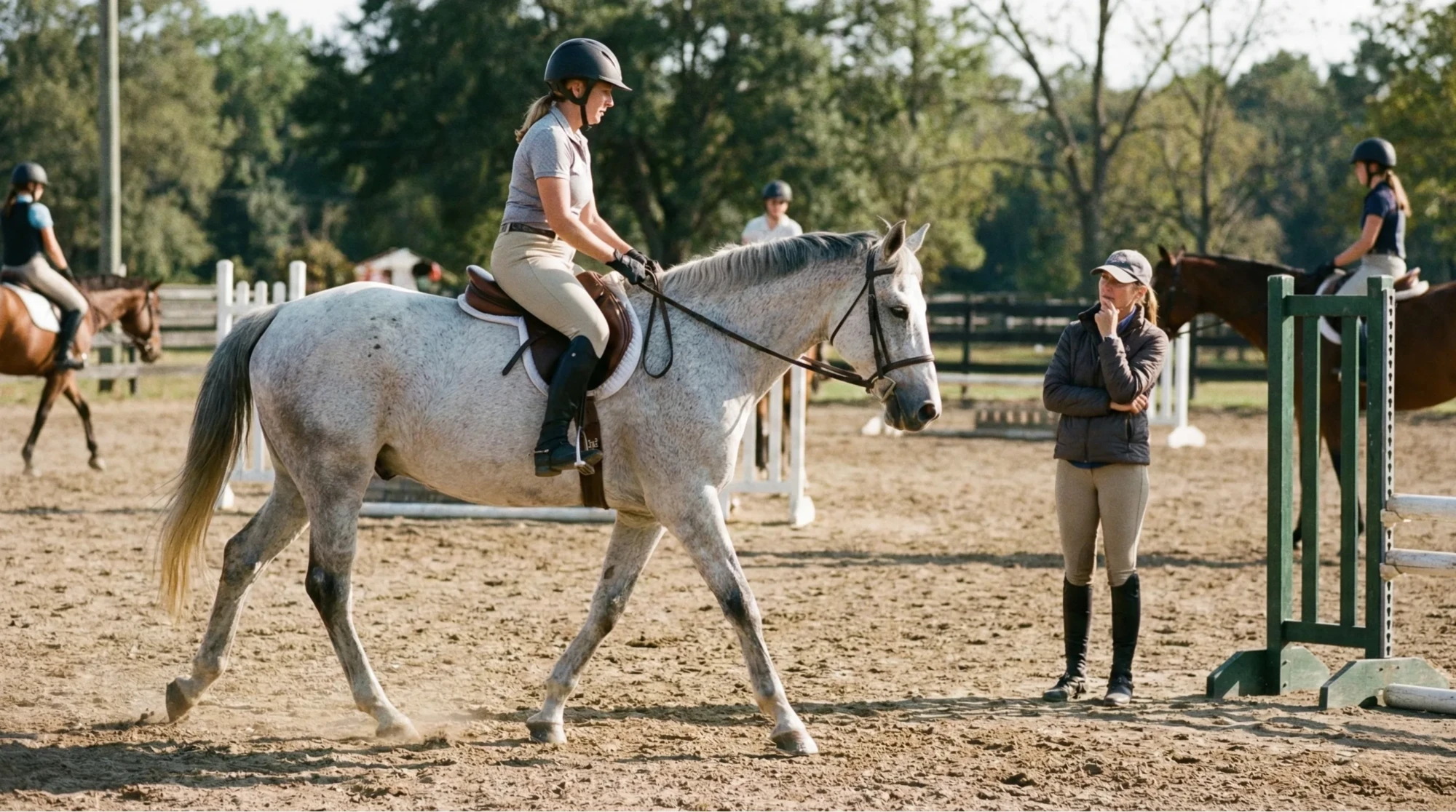
A common adage in the equestrian world is “green plus green equals black and blue.” A novice rider paired with an inexperienced horse is a recipe for frustration and physical risk.
The Value of the “Schoolmaster”
For a first horse, the ideal candidate is often a “schoolmaster”—a horse that has “been there, done that.” These are typically older horses that have competed or worked extensively in their discipline. They are more forgiving of rider errors and can provide the stability a beginner needs to develop confidence.
Assessing Your Current Ability
Be realistic about your skill level. If you currently take one lesson a week, you are likely not ready for a “prospect” or a young horse that requires professional training to be safe. Seek the counsel of a trusted instructor who can provide an objective evaluation of your riding and help you identify the specific traits you need in a partner.
Breed Considerations: Temperament Over Pedigree
While many buyers are drawn to specific breeds for their aesthetic or historical prestige, temperament and conformation should always take precedence over a “look” or a brand name. In the United States, several breeds are particularly well-suited for first-time owners due to their general disposition.
American Quarter Horse
The Quarter Horse is the most popular breed in the U.S. for a reason. Known for their “cowsense,” steady temperament, and versatility, they excel in everything from western pleasure to lower-level English disciplines. Their sturdy build often makes them “easy keepers.”
Morgan Horse
As one of the earliest breeds developed in America, the Morgan is celebrated for its intelligence and willingness to please. They are typically hardy, versatile, and possess a strong work ethic, making them excellent partners for families and amateur riders.
Draft Crosses
In recent years, draft crosses (such as a Percheron/Thoroughbred or Irish Draught/Warmblood) have become highly sought after for their “brain.” They often combine the calm, rhythmic nature of a draft horse with the athleticism of a lighter breed, providing a stable yet capable mount for adult amateurs.
Thoroughbreds and Warmbloods
While often associated with high-level competition, many Thoroughbreds (particularly retired racehorses or “OTTBs”) and Warmbloods make wonderful first horses—provided they have undergone successful retraining. However, these breeds may require a more nuanced hand and higher maintenance in terms of nutrition and shoeing.
The Critical Variables: Age, Training, and Temperament
Why Age is Just a Number
For a first-time buyer, a horse in the 10-to-18-year-old range is often the “sweet spot.” By this age, the horse’s personality is established, and their physical capabilities are well-documented. Do not be deterred by a “senior” horse if they are sound and have the experience you require. A 20-year-old horse with a impeccable resume can be a far better investment than a flashy 4-year-old.
Training History
Inquire deeply about the horse’s “miles.” Has the horse been ridden on trails, in heavy traffic, or at loud shows? A horse that is “bombproof” in a quiet arena may react differently in a new environment. Look for a horse with a consistent work history over several years.
Temperament: The “Puppy Dog” vs. The “Professional”
Some horses are highly affectionate and enjoy human interaction, while others are more business-like. For a first horse, a “forgiving” nature is the most valuable trait. You want a horse that ignores a misplaced leg cue or a slightly unbalanced seat rather than one that reacts sharply to rider error.
Where to Buy a Horse in the US
The American horse market is fragmented, and where you shop can influence the transparency of the transaction.
Private Sales
Buying directly from an individual can be rewarding, but it requires due diligence. Ensure you can see the horse in its “home” environment.
Professional Trainers
Many trainers act as agents. While you may pay a commission (typically 10–15%), a reputable trainer has their professional reputation at stake and is motivated to make a lasting match.
Breed-Specific Rescues and Sanctuaries
Adopting from a reputable 501(c)(3) organization can be a noble path. Many rescues have rigorous screening processes and offer a “safety net” should the partnership not work out.
Online Listings
Sites like Equine.com or specialized Facebook groups are common, but they carry the highest risk of misrepresentation. Never buy a horse “sight unseen” based on a video.
The Pre-Purchase Exam (PPE) Explained
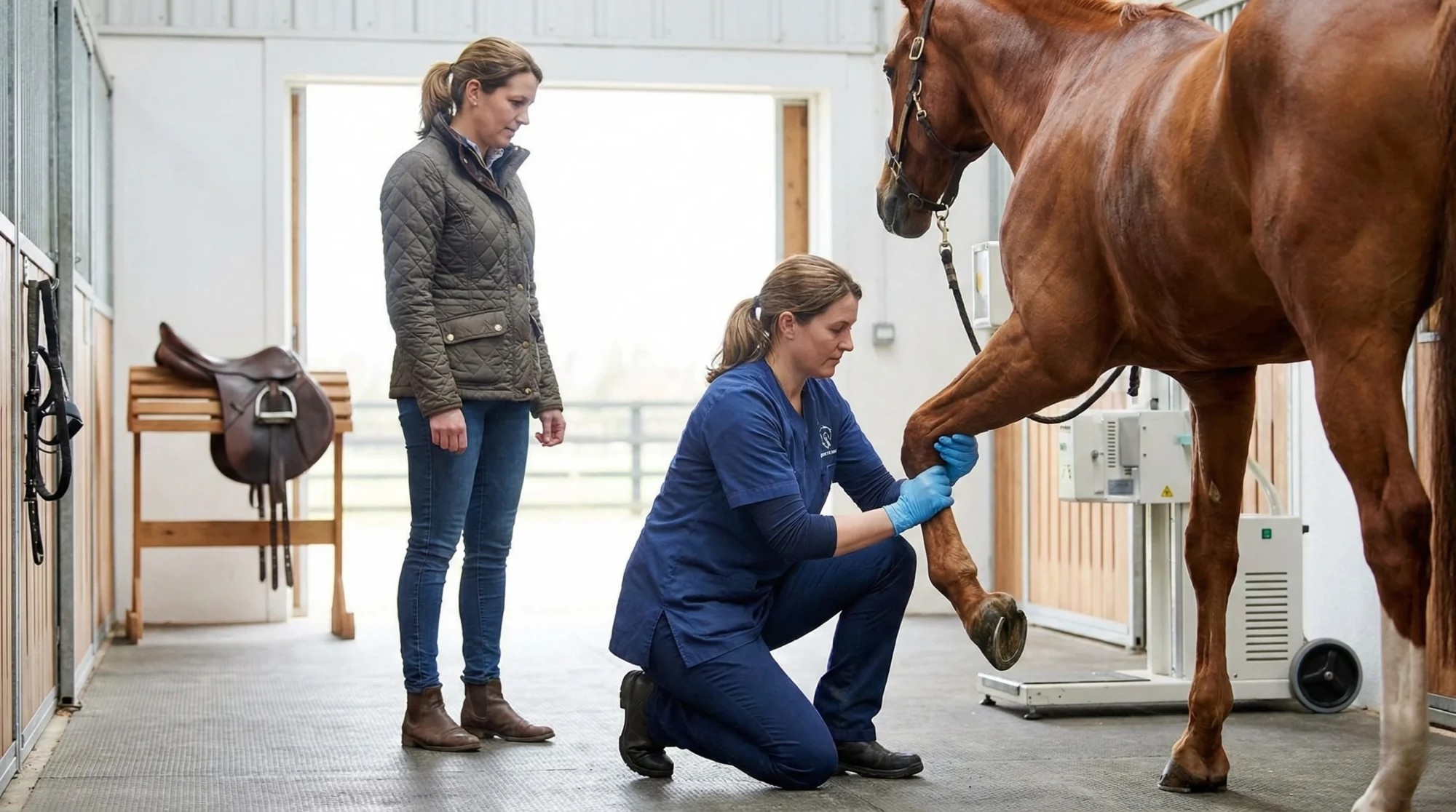
The Pre-Purchase Exam is perhaps the most critical step in the buying process. It is an objective evaluation conducted by a veterinarian of your choosing—not the seller’s.
What the PPE Includes
A standard exam involves a physical assessment (eyes, heart, lungs), a conformation analysis, and “flexion tests” to check for joint soreness. Depending on the horse’s price and intended use, you may opt for:
- Radiographs (X-rays): To check for bone changes or degenerative issues.
- Bloodwork: To screen for sedatives or anti-inflammatory drugs that may be masking lameness or behavioral issues.
- Drug Screening: Highly recommended if the horse seems unnaturally quiet during the trial.
Interpretation of Results
It is important to understand that a PPE is not a “pass/fail” test. It is a risk assessment. Every horse has “something” on an X-ray. The goal is to determine if the findings are manageable for the horse’s intended job and your budget for maintenance.
True Cost Breakdown: Beyond the Purchase Price
The “sticker price” of the horse is often the smallest expense in the long term. In the U.S., a responsible owner should budget for the following:
| Expense Category | Estimated Average Annual Cost (USD) | Frequency |
| Boarding | $4,800 – $24,000 | Monthly |
| Farrier (Shoeing/Trimming) | $600 – $2,400 | Every 6–8 weeks |
| Veterinary (Routine) | $500 – $1,500 | Twice Yearly |
| Dentistry | $200 – $400 | Yearly |
| Insurance (Mortality/Medical) | $500 – $2,000 | Yearly |
| Emergency Fund | $2,000 – $5,000 | Reserve |
The “Hidden” Costs: Gear and Apparel
Once the horse arrives, you will need tack. This includes a saddle, bridle, girth, and pads. While purchasing high-quality pre-owned tack through platforms like Reequestrian® is an excellent way to support circular fashion and save costs, safety gear must never be compromised.
Important Safety Note
While you can find exceptional value in used saddles and apparel, helmets must always be purchased new…
Common First-Time Buyer Mistakes
- Buying for Color or Looks: A beautiful horse that you are afraid to ride is an expensive ornament. Prioritize brain and bone over “chrome.”
- Over-Horsing Yourself: Buying a horse that is too powerful or sensitive for your current skill level will stall your progress and create safety risks.
- Skipping the PPE: Saving $500 on a vet exam can result in $5,000 in vet bills three months later.
- Ignoring Maintenance Requirements: If a horse requires monthly injections or expensive specialized shoeing, ensure you are prepared for that financial commitment for the life of the horse.
- Buying Without a Trial: Always ride the horse at least twice. If possible, have your trainer ride the horse as well.
When to Walk Away From a Sale
In the excitement of finding a horse, it is easy to ignore “red flags.” You should walk away if:
- The seller refuses to allow a Pre-Purchase Exam.
- The horse is sedated when you arrive for the trial.
- The horse shows significant behavioral issues (biting, kicking, rearing) that were not disclosed.
- The seller pressures you into a “quick sale” or mentions other “cash buyers” waiting in the wings.
- The horse’s records (Coggins, vaccination history) are missing or inconsistent.
Final Guidance on Responsible Ownership
Buying a horse is an exercise in intentionality. It is about more than sport; it is about the preservation of a tradition rooted in mutual respect between species. As you embark on this journey, remember that your responsibility is to provide the highest standard of care, from proper nutrition and veterinary oversight to ensuring your equipment both for you and the horse is safe and well-maintained.
By choosing a horse that fits your current reality rather than your future ego, you ensure a partnership that will be rewarding for years to come. Ownership is a marathon, not a sprint; take the time to find the right partner, and the rewards will be immeasurable.