


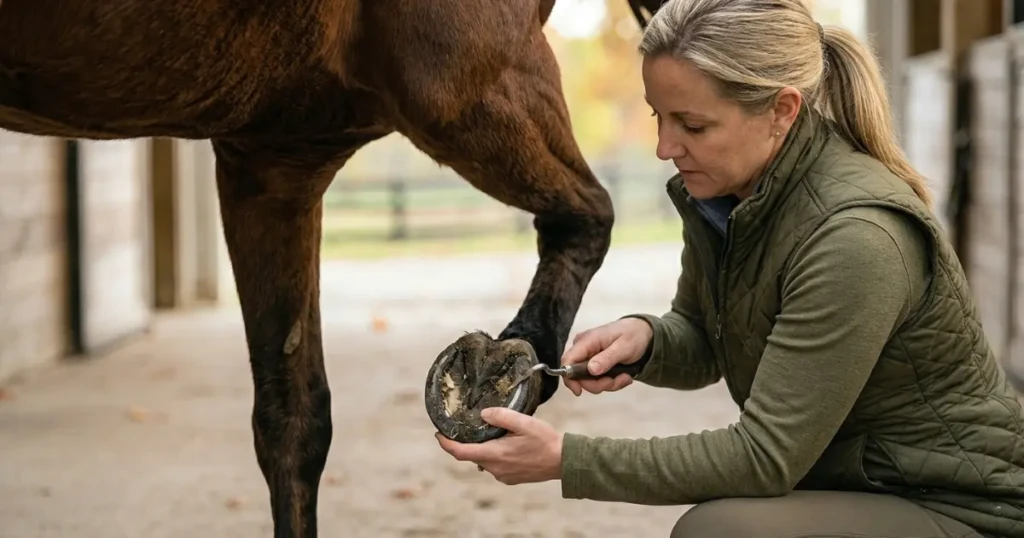

Effective horse care is a dynamic process that must adapt to the shifting demands of the environment. As we navigate 2026, the equestrian community has moved toward a model of “Evidence Based Stewardship,” where seasonal routines are guided by the latest veterinary research and climate data. A horse’s physiological needs, from caloric intake to metabolic regulation, change significantly as the thermometer moves.
This comprehensive checklist serves as a roadmap for the modern horse owner. By anticipating the unique challenges of each season, you can move from reactive maintenance to proactive wellness, ensuring your horse remains comfortable, healthy, and performant throughout the year.
Spring: The Season of Transition and High Metabolic Risk
Spring is a time of renewal, but for the horse, it is also a period of significant physiological stress. The primary focus during these months is the safe transition from a hay based winter diet to lush spring pastures and the implementation of a robust preventative health program.
1. The Gradual Pasture Transition
Spring grass is exceptionally high in non-structural carbohydrates (NSC), such as sugars and starches. For horses with Equine Metabolic Syndrome (EMS) or a history of laminitis, this grass can be dangerous.
- Controlled Grazing: Start with only 15 to 20 minutes of grazing per day, increasing the time by 10 to 15 minutes every few days.
- Grazing Muzzles: Use a well-fitted grazing muzzle to allow for social turnout while restricting intake.
- Strategic Turnout: Turn horses out in the early morning when sugar levels in the grass are at their lowest point after a night of respiration.
2. Spring Health and Vaccinations
Consult with your veterinarian to tailor a program based on the 2026 AAEP (American Association of Equine Practitioners) Core Vaccination Guidelines.
- Core Vaccinations: Ensure your horse is protected against Tetanus, Eastern and Western Equine Encephalomyelitis (EEE/WEE), West Nile Virus, and Rabies.
- Fecal Egg Counts (FEC): Before deworming, perform an FEC to identify “high shedders.” This strategic approach prevents the development of parasite resistance to common dewormers.
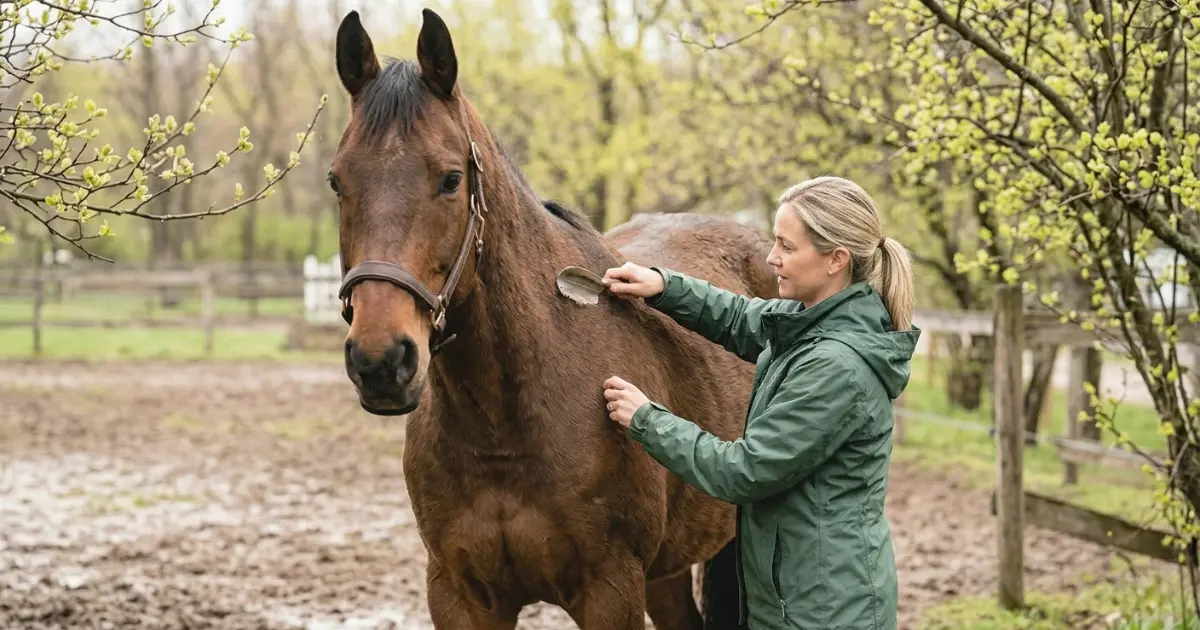
- Shedding Management: Use a shedding blade or curry comb daily to remove the winter coat. This is also the ideal time to inspect the skin for “rain rot” or other fungal issues hidden by winter fur.
Summer: Managing Heat Stress and Hydration
The goal of summer care is thermoregulation. Horses generate an immense amount of internal heat during exercise, and when ambient temperature and humidity are high, their ability to cool themselves is compromised.
1. The Heat Index Rule
A common guideline for 2026 is to calculate the sum of the temperature (Fahrenheit) and the relative humidity.
- Under 130: No restriction on exercise.
- 130 to 150: Monitor the horse closely for signs of fatigue.
- Over 180: Exercise should be avoided or significantly curtailed.
2. Hydration and Electrolytes
A horse can lose several gallons of sweat per hour during intense work in the heat.
- Water Access: Always provide unlimited access to clean, cool water (ideally between 45 and 64 degrees Fahrenheit).
- Salt Intake: Offer loose salt rather than a block, as many horses do not lick blocks enough to meet their physiological requirements. One to two ounces of salt per day is standard for an idle adult horse.
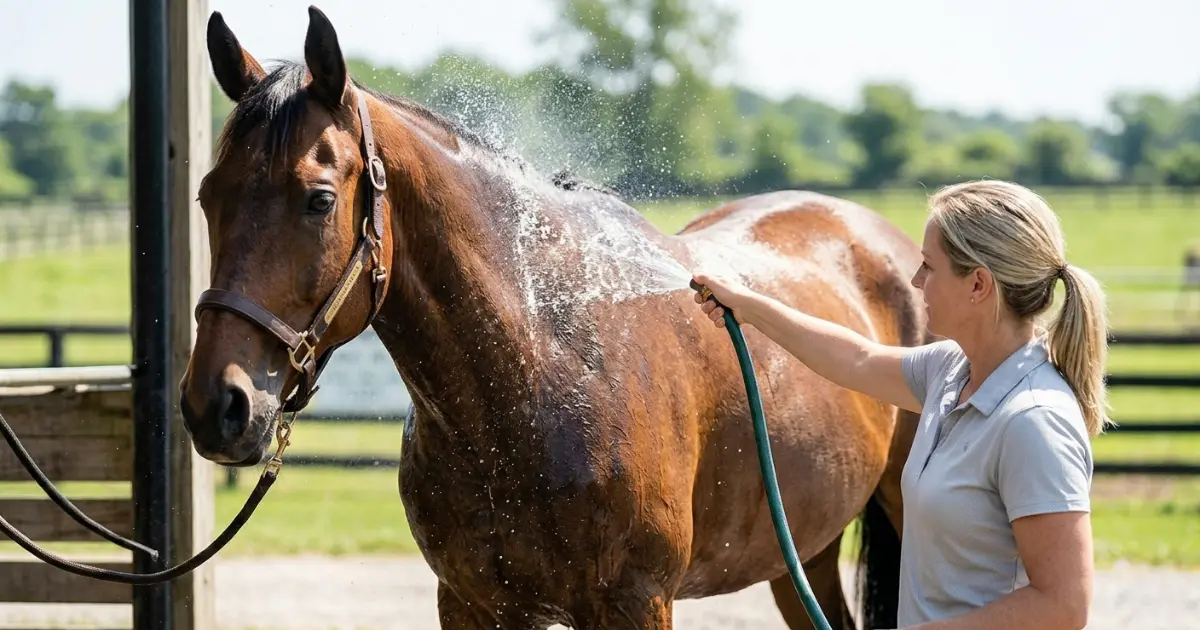
- Cooling Technique: Research confirmed in 2025 shows that showering a hot horse continuously with cool water, without stopping to scrape, is the most effective way to lower core body temperature. The water absorbs the heat and runs off, providing constant evaporative cooling.
Fall: Preparation for the Cold and Nutrient Planning
Fall is the “preparatory” season. It is the window of opportunity to ensure your facility and your horse’s body condition are ready for the caloric demands of winter.
1. Dental Care and Weight Assessment
As the quality of pasture declines, horses rely more on hay, which requires efficient chewing.
- Dental Exam: Schedule a fall dental float. Sharp points or missing teeth can lead to “quidding” (dropping partially chewed hay), which results in weight loss during the winter.
- Body Condition Scoring (BCS): Use the Henneke 1 to 9 scale to assess your horse. A score of 5 or 6 is ideal heading into winter to provide a small “buffer” of fat for insulation.
2. Facility and Forage Audit
- Hay Procurement: Secure your winter hay supply now. A mature 1,000 pound horse will consume 20 to 25 pounds of hay per day (approximately 2% to 2.5% of their body weight).
- Water Heater Testing: Test all tank heaters and heated buckets before the first freeze. Check for “stray voltage,” which can give a horse a small shock when they try to drink, leading to dehydration.
- Pasture Rest: Remove horses from pastures once the grass stops growing to prevent overgrazing, which can destroy the root systems for the following spring.
Winter: Forage as Fuel and Water Integrity
Winter care revolves around the concept of “Internal Combustion.” The best way to keep a horse warm is through the digestion of long stem forage.
1. The Forage Heat Source
Many owners mistakenly believe that increasing grain will keep a horse warm. In reality, the fermentation of hay in the hindgut produces significant internal heat.
- Increased Forage: Increase hay intake by 1% for every degree the temperature falls below the horse’s “Lower Critical Temperature” (typically around 18 degrees Fahrenheit for a horse with a healthy winter coat).
- Water Temperature: Horses drink significantly more when water is kept between 45 and 65 degrees Fahrenheit. Cold water can lead to decreased consumption and a higher risk of impaction colic.
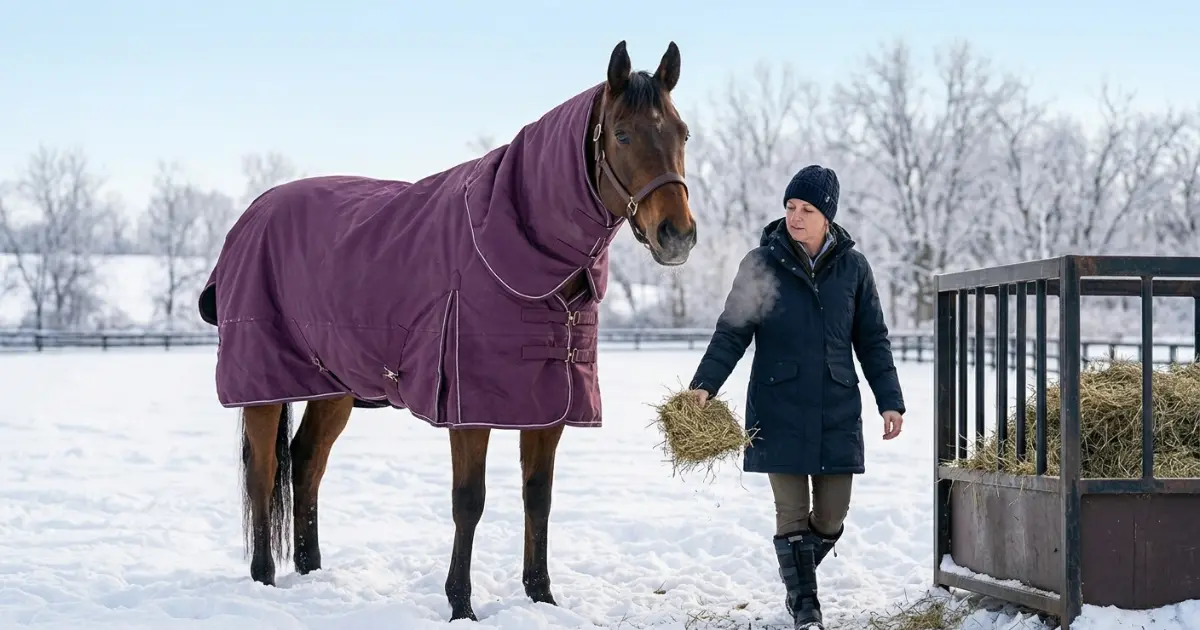
2. Blanketing and Shelter
- The Shelter Requirement: Horses must have access to a three sided shelter to escape wind, sleet, and freezing rain. A dry horse can tolerate extreme cold, but a wet, wind chilled horse cannot maintain its body temperature.
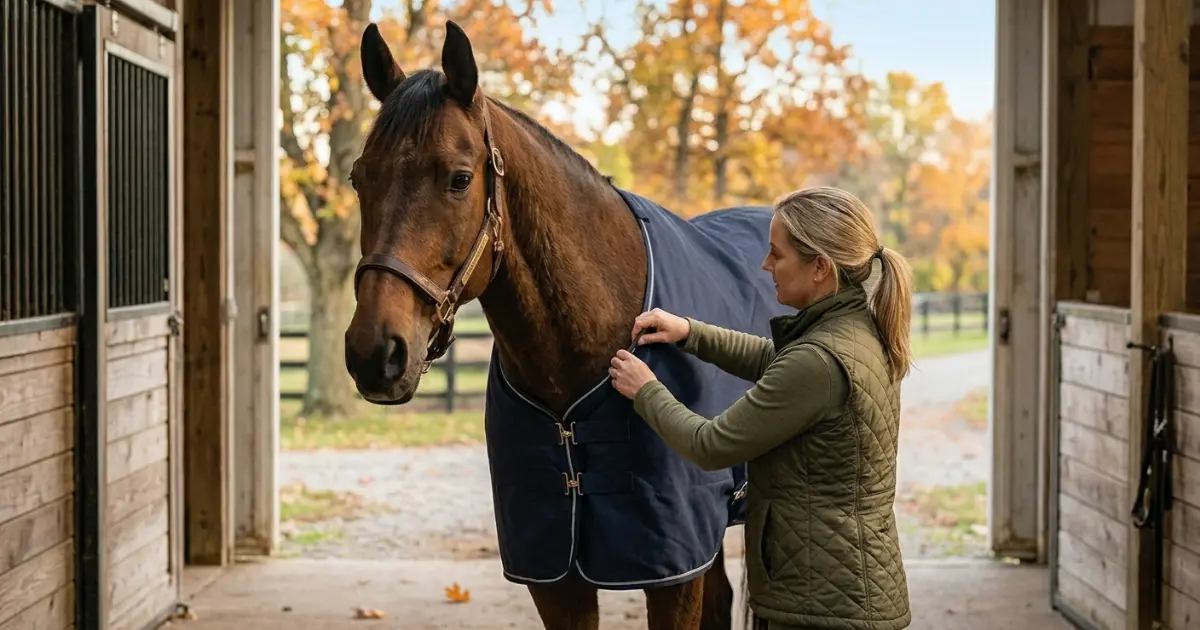
- Blanket Checks: If you choose to blanket, remove the blanket daily to check for weight loss, skin irritation, or injuries. Ensure the blanket remains dry; a wet blanket is colder for the horse than no blanket at all.
- Hoof Care: Continue regular farrier visits every 6 to 8 weeks. Winter mud and frozen, uneven ground can be just as hard on hooves as summer hard packing.
2026 Research Update: Metabolic Monitoring
Recent studies conducted in late 2025 at Cornell University are exploring the use of bile acid levels as a marker for early detection of Equine Metabolic Syndrome. As an owner in 2026, staying informed about these diagnostic advancements can help you manage “easy keepers” more effectively. If your horse has difficulty maintaining weight or shows unusual fat deposits on the crest of the neck or tailhead, discuss a metabolic panel with your veterinarian during your spring or fall wellness exam.
The Reward of Routine
Seasonal horse care is not about a single day of work; it is about the consistency of your observations. By aligning your management practices with the natural rhythms of the seasons and the latest veterinary standards of 2026, you provide your horse with the best possible environment to thrive.
The relationship between horse and rider is built on a foundation of trust. That trust is earned through the daily acts of stewardship: checking a water bucket in the dark of January, measuring a grazing window in the brightness of May, and ensuring the tack and equipment you use are as well-maintained as the horse itself.
Seasons change what your horse needs, and they change what you need too. Reequestrian is the US peer-to-peer marketplace where riders buy and sell English apparel and tack directly, so when the winter layers no longer fit or a set of gear has been outgrown, list it with us and let it find its next rider. New to all of this? Start with what to wear for your first horseback riding lesson.


